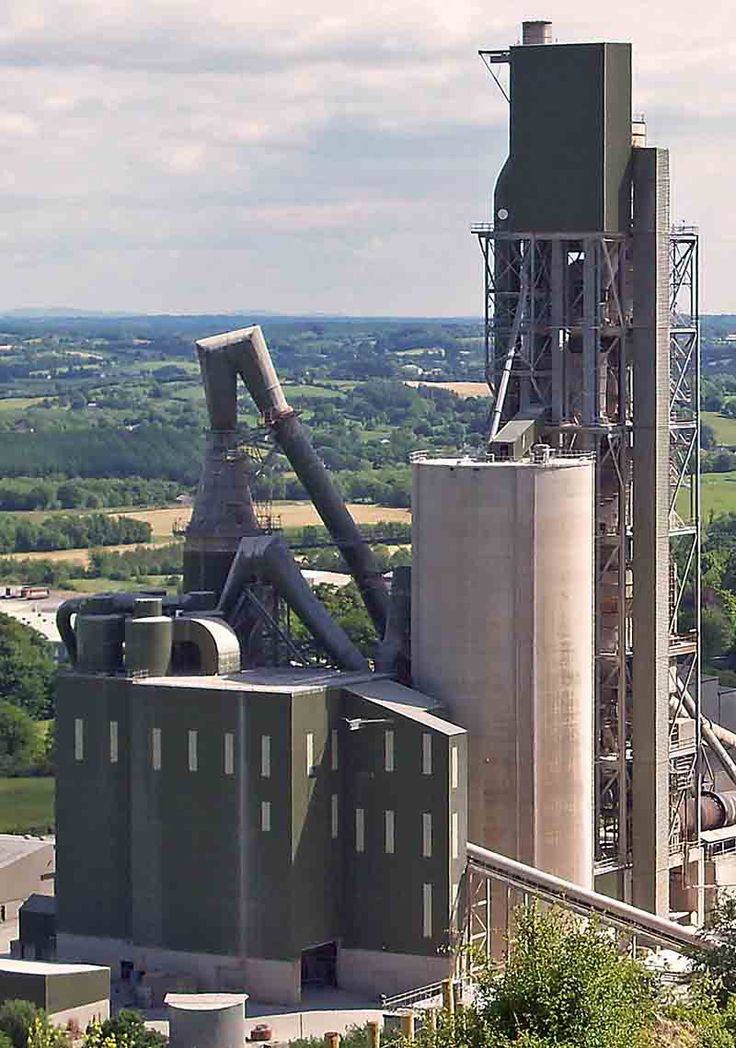
Natural Zeolite has become a crucial additive in the cement industry, offering significant benefits due to its exceptional physical and chemical properties.
Pozzolanic Additive: Natural zeolite serves as a pozzolanic material, reacting with calcium hydroxide during cement hydration to produce additional calcium silicate hydrate (C-S-H). This reaction enhances the strength, density, and durability of concrete.
Environmental Sustainability: By partially replacing Portland cement with natural zeolite, manufacturers can significantly reduce the carbon footprint of cement production, aligning with sustainable construction practices.
Enhanced Workability: The incorporation of zeolite improves the workability of cement mixtures, making them easier to mix, transport, and apply during construction projects.
Chemical Resistance: Zeolite improves concrete’s resistance to chemical attacks, such as sulfate attacks, and minimizes the risk of alkali-silica reaction (ASR). This increases the lifespan and reliability of concrete structures in challenging environments.
Thermal Insulation: Due to its porous structure, natural zeolite contributes to superior thermal insulation properties in cement-based materials, making it ideal for energy-efficient buildings.
Control Over Setting Time: Zeolite can be used to regulate the setting time of cement, providing flexibility for specific construction needs and ensuring optimal performance under varying conditions.
By leveraging these properties, natural zeolite plays an essential role in creating high-performance, durable, and sustainable cement products, making it an invaluable resource for modern construction projects.